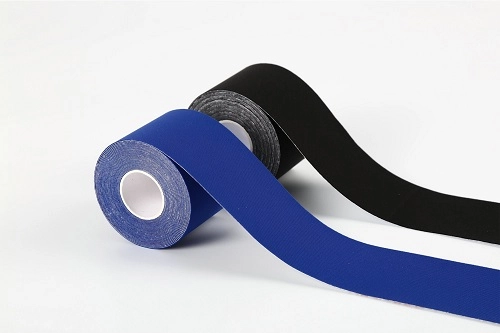
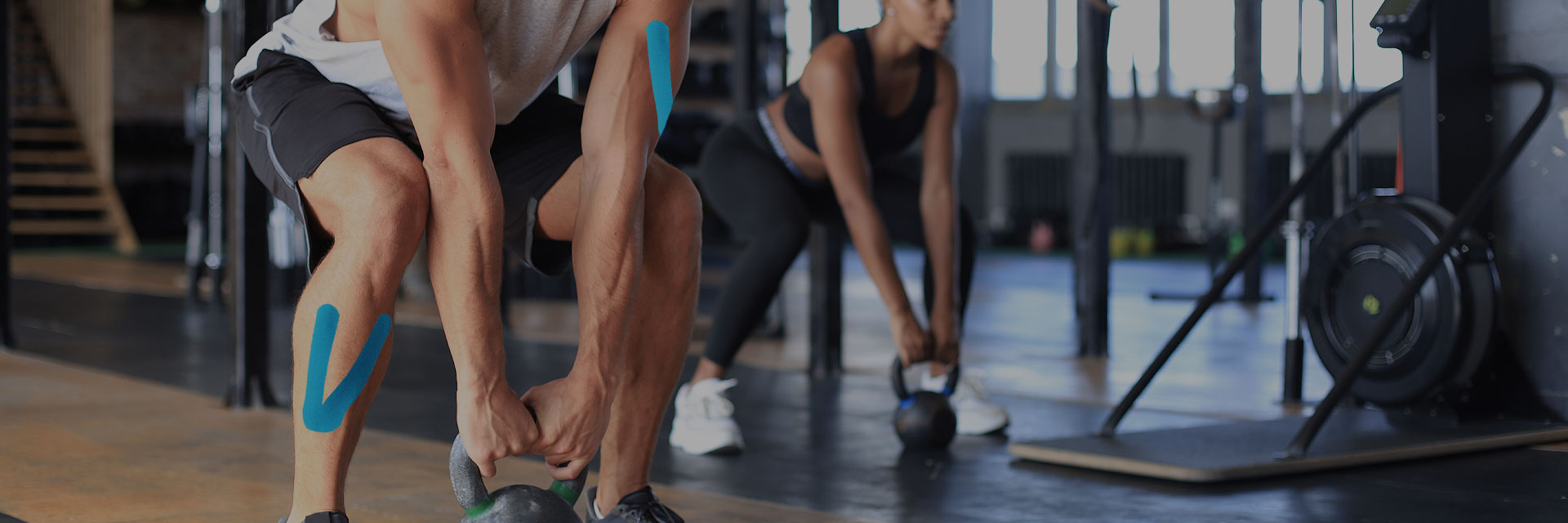
Kinesiology tape has become a staple in sports medicine, physical therapy, and injury recovery due to its ability to support muscles and joints while allowing a full range of movement. Among the various types of kinesiology tape available, nylon kinesiology tape stands out for its durability, elasticity, and broad applicability.
What Is Nylon Kinesiology Tape?
Nylon kinesiology tape is a high-performance elastic therapeutic tape designed to mimic the elasticity of human skin. Made primarily from woven nylon fibers and often backed with an acrylic adhesive, this type of tape is engineered to stretch longitudinally (typically up to 130-140% of its resting length) while offering lateral rigidity. This unique structure allows it to provide support without restricting movement.
Key characteristics include:
- Elasticity: Closely matches the tensile strength and stretch of human skin.
- Durability: Nylon provides superior wear resistance and shape retention.
- Adhesion: Medical-grade, skin-friendly adhesives ensure secure attachment during activity.
- Breathability and Moisture Wicking: Many tapes have a porous design for comfort during long wear times.
How It Works: The Biomechanics Behind the Tape
Nylon kinesiology tape operates on several physiological and mechanical principles:
1. Lift and Space Theory
When applied correctly, the tape gently lifts the skin away from underlying tissues.
This small lifting effect can:
- Reduce pressure on pain receptors.
- Improve circulation of blood and lymphatic fluids.
- Facilitate fluid drainage from inflamed or swollen areas.
2. Proprioceptive Feedback
Tactile stimulation from the tape increases proprioceptive awareness—your body’s ability to sense movement and position.
This can:
- Enhance motor control.
- Decrease risk of re-injury.
- Support neuromuscular re-education during recovery.
3. Mechanical Support
Although not as rigid as athletic strapping tape, nylon kinesiology tape provides:
- Light joint stabilization.
- Muscle facilitation or inhibition depending on the application technique.
- Support during dynamic movement without significant restriction.
Choosing the Right Tape
When selecting nylon kinesiology tape, consider:
Width
- 1.5–2 inches (3.8–5 cm): Versatile choice for most applications.
- Wider tape: Offers greater surface support, useful for large muscle groups.
Adhesive Type
- Acrylic adhesives: Common, skin-friendly, and breathable.
- Sweat-resistant adhesives: Better for long workouts or moisture-intense activities.
Elasticity Rating
Look for a tape with stretch capacity close to human skin elasticity (around 130–140%).
Pre-Application Preparation
Proper skin prep ensures maximum adhesion and comfort:
1. Clean the Skin
Remove oils, lotions, and dirt.
- Use soap and water or an alcohol wipe.
- Allow skin to dry completely.
2. Trim Excess Hair (optional but helpful)
This improves contact and reduces discomfort during removal.
3. Round the Tape Ends
Rounding prevents peeling, especially during prolonged wear.
Application Techniques — Step by Step
General Concepts
- Anchor: Start with 0–10% stretch—this is the non-elastic base of the tape.
- Stretch Zone: Apply the midsection with intended stretch (15–50% or as directed).
- Final Anchor: End again with 0–10% stretch.
Common Applications
1. Muscle Facilitation
Used when a weak or under-performing muscle needs activation.
Example: Quadriceps
- Apply tape from origin to insertion.
- Stretch the midsection (15–25%).
- Smooth to avoid wrinkles.
2. Muscle Inhibition
Used when an overactive muscle needs calming.
Example: Gastrocnemius (calf muscle)
- Place tape from insertion to origin.
- Apply moderate stretch (15–30%).
- Finish with no stretch at ends.
3. Joint Support
Provides dynamic support without restricting the joint.
Example: Ankle Stability
- Use a fan or basket weave pattern around the ankle.
- Keep stretch moderate (20–30%).
- Ensure coverage on both medial and lateral sides.
4. Lymphatic/Edema Management
Used for swelling or bruising.
- Apply multiple “fan” strips.
- Stretch only minimal (0–10%) to avoid compression.
- Focus on directing fluid toward lymph node regions.
Advanced Application Patterns
For sophisticated support or neuromuscular goals:
Functional Correction
- Tape is applied with up to 75% stretch and anchored in a shortened muscle position.
- This method is typically used by trained clinicians.
Space Correction
- Two I-strips are applied around a joint with maximum stretch to create “space.”
Important: Techniques above are advanced and usually require professional training to prevent skin injury or reduced effectiveness.
Durability, Wear Time & Care
Typical Wear Time
- 3–5 days during daily activities or workouts.
Showering & Activity
- Nylon tapes are generally waterproof and can withstand sweat and showers.
- Pat dry after exposure to water—avoid vigorous rubbing.
Removal Tips
- Remove slowly in direction of hair growth.
- Use baby oil or adhesive remover if sensitive skin is present.
Benefits
- Versatile: Works for injury recovery, pain modulation, and performance.
- Comfortable: Stretchy and breathable.
- Durable: Nylon’s strength resists wear and maintains elasticity.
- Active Lifestyle-Friendly: Adheres during sweat, showers, and long workouts.
Limitations & Precautions
- Allergic Reaction: Some people may be sensitive to the adhesive.
- Incorrect Application: Poor technique reduces effectiveness and may irritate skin.
- Not a Rigid Brace: Nylon kinesiology tape supports but doesn’t immobilize like rigid tape.
- Open Wounds/Cuts: Do not apply directly over compromised skin.
Safety & When to Seek Professional Help
If you experience any of the following, consult a medical professional:
- Increasing pain or swelling
- Numbness/tingling
- Skin irritation or blistering
- Signs of vascular compromise (coldness, discoloration)
Nylon kinesiology tape is a powerful tool in the rehabilitation and performance toolbox. Whether you’re an athlete, physical therapist, or someone managing everyday aches, understanding the technical foundation and precise application methods makes all the difference. Its blend of elasticity, strength, and comfort means it can provide targeted support while keeping movement natural and uninhibited.